
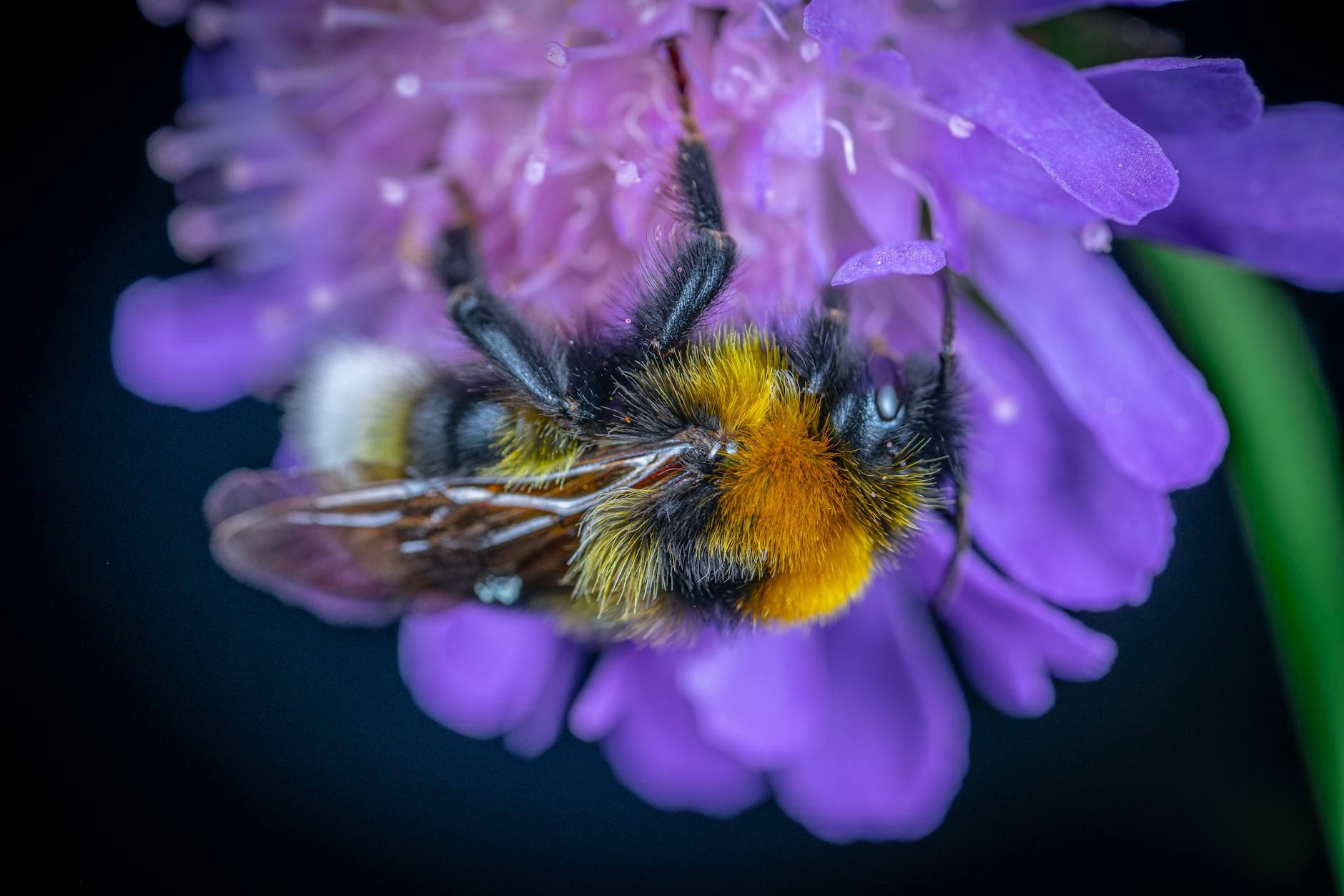
Pollinator populations are rapidly declining due to factors like urbanization, habitat loss, and pesticide use.
Research published in the CABI Reviews journal in May highlighted that climate change is among the primary factors threatening pollinators, including bees and butterflies. Human activities are driving most of the threats, according to the researchers.
As of June 2020, more than 70 species of pollinators were listed as endangered or threatened, according to the U.S. Fish & Wildlife Service. Dramatic declines have been recorded in the number of North American bumblebees, which dropped nearly 50 percent since 1974. The most staggering population losses have occurred in regions with the greatest temperature increases, the organization said.
According to the Intergovernmental Science-Policy Platform on Biodiversity and Ecosystem Services (IPBES), about 16% of vertebrate pollinators, including birds and bats, are at risk of extinction.
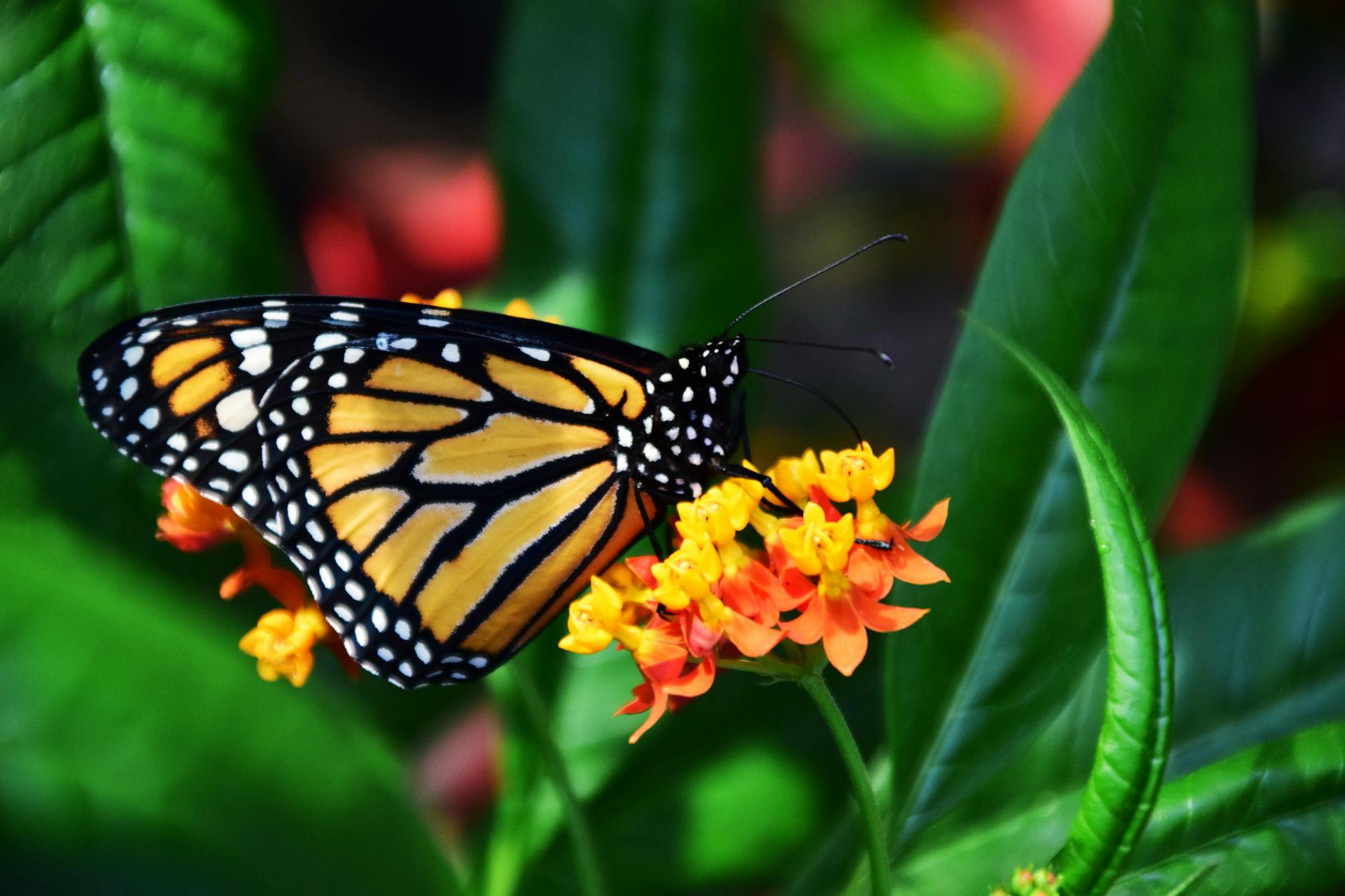
Pollinators such as bees, butterflies, bats, and birds are essential for global food production, contributing around $500 billion annually, according to an article from The Ohio State University. Bees, in particular, are crucial, pollinating one-third of the world’s food supply and providing $15-$20 billion worth of pollination services in the United States alone.
The declining pollinator populations can negatively affect plant biodiversity, crop yields, and food security.
While that may sound daunting, there are steps individuals can take to be part of the solution, such as creating pollinator-friendly habitats and gardens.
Read on for ideas and inspiration on how you can encourage pollinators in your garden.
Choose a variety of flower shapes
Flower shapes play a crucial role in providing access to critical pollen and nectar and the perfect landing pads or perches for various pollinators, according to The University of Massachusetts Amhert Extension of Landscape, Nursery and Urban Forestry Program. Understanding the preferences of different pollinators can help you design a garden that is not only beautiful but also buzzing with life.
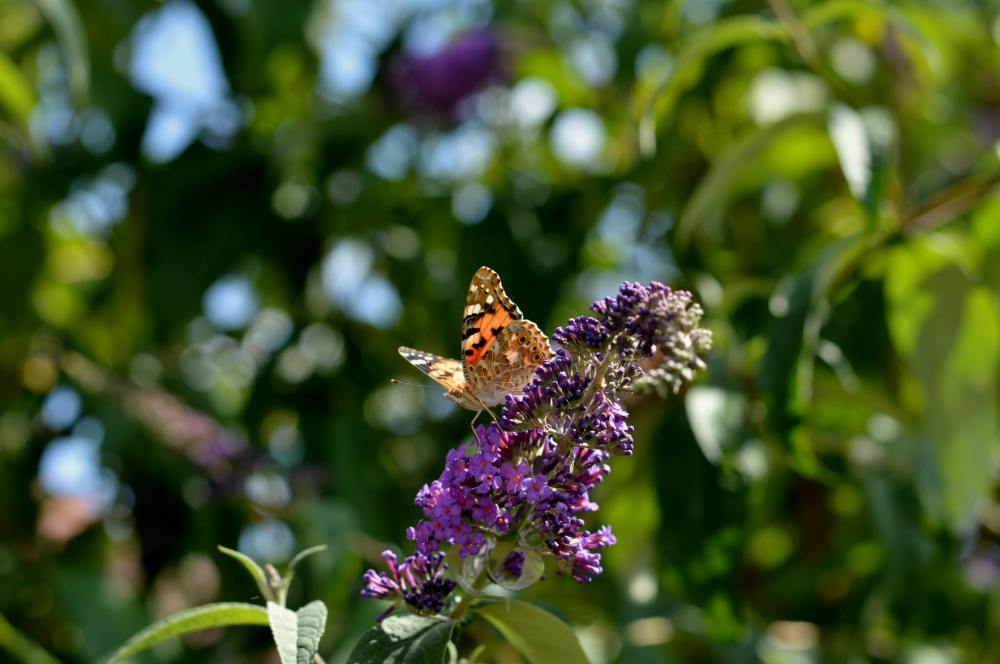
Butterflies are attracted to narrow tubular flowers with landing pads. The structure of these flowers allows butterflies to easily access the nectar with their long proboscis while providing a place to rest. Consider planting button bush, milkweed, and butterfly bushes to attract these delicate visitors.
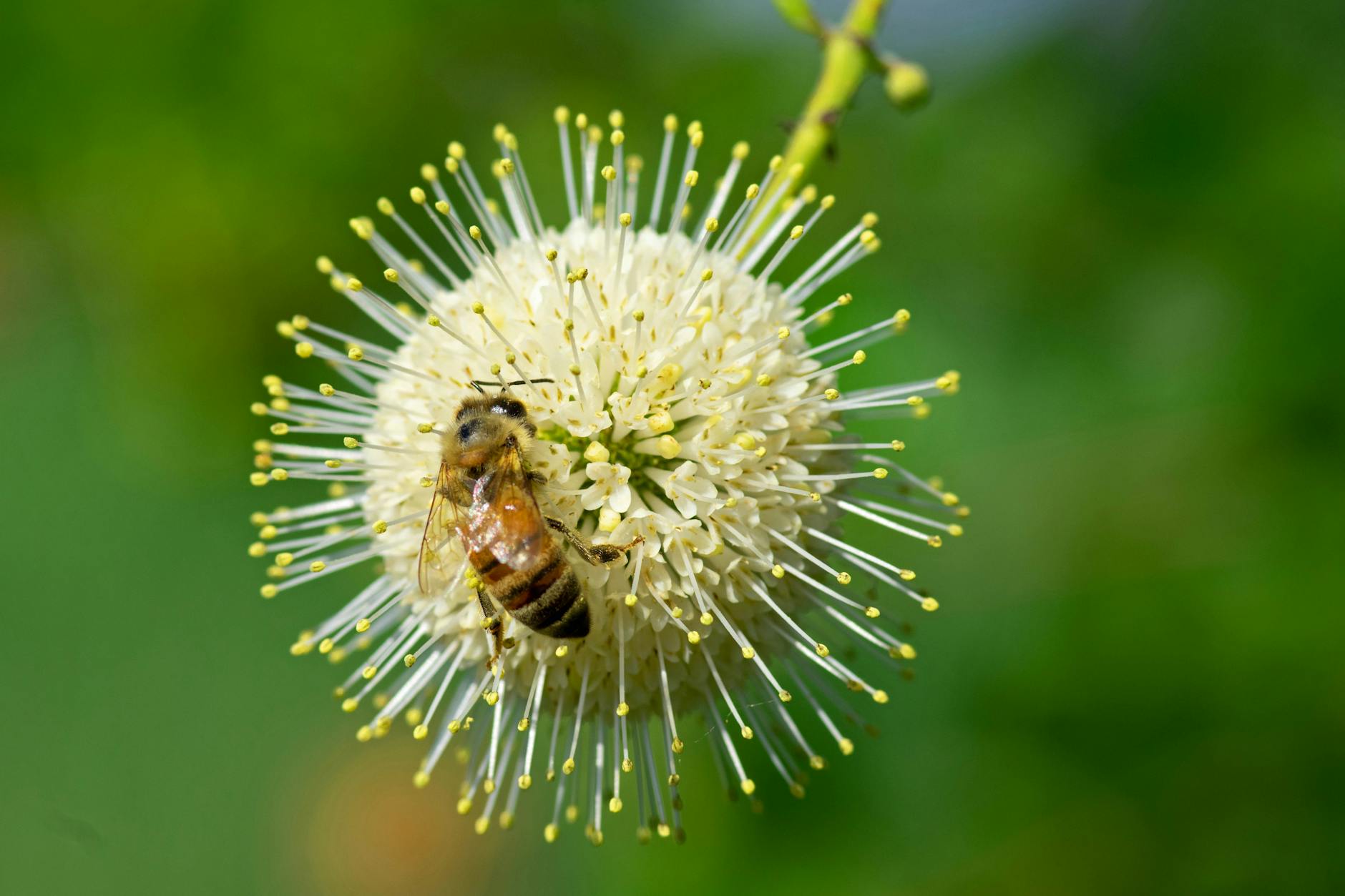
One note of caution to consider is that butterfly bushes are considered invasive in some areas. Button bushes, summersweet, and bottlebrush buckeye are among alternative choices to butterfly bushes, according to a Penn State Master Gardener Extension article.
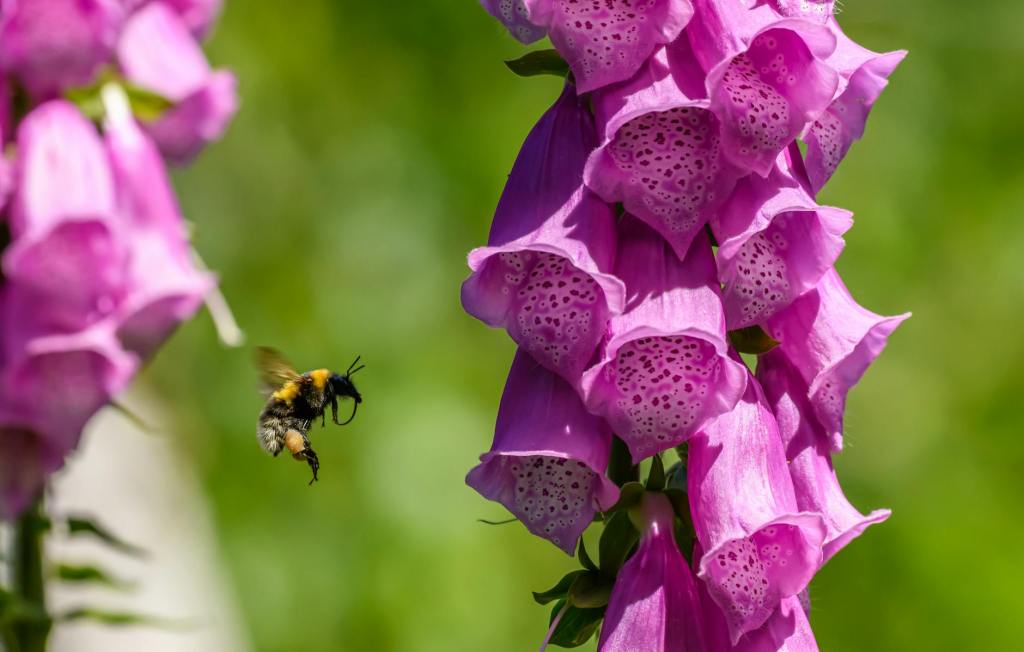
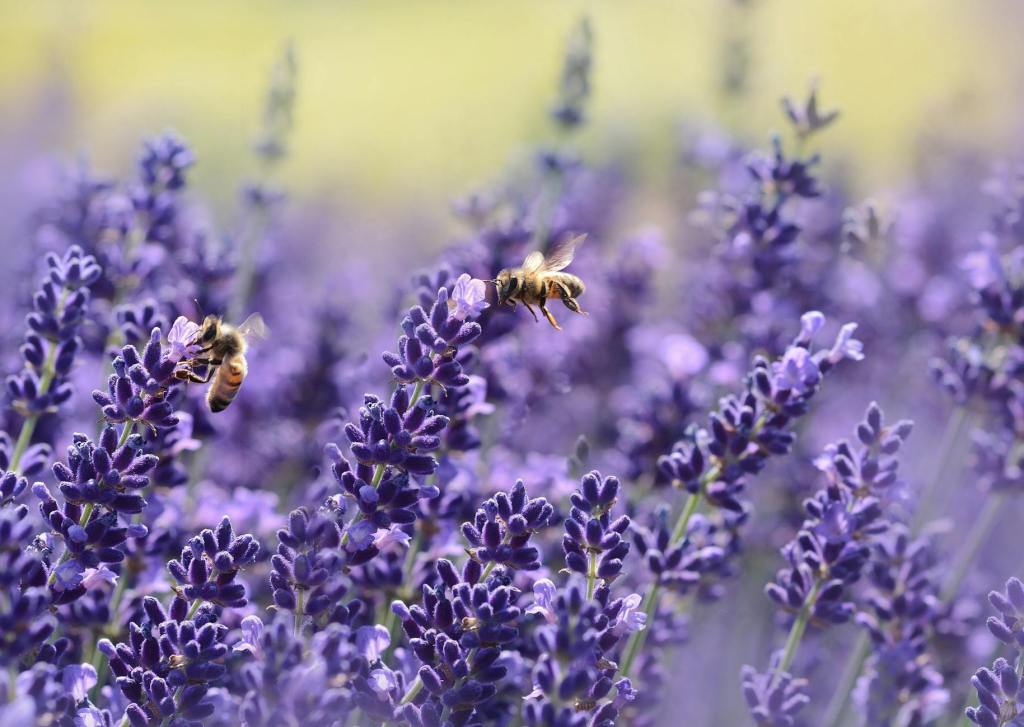
Bees prefer shallow tubular flowers with convenient landing platforms. These flowers allow bees to collect nectar and pollen efficiently. Examples of bee-friendly flowers include lavender, foxglove, catmint, and bee balm. Their structure supports the bees as they forage, ensuring they can gather resources effectively.
Birds, especially hummingbirds, are drawn to funnel-shaped or cup-shaped flowers with sturdy perches. These flowers provide the necessary support for birds to feed while hovering. Flowering shrubs like weigela, also known as hummingbird bushes, honeysuckle, and hibiscus are preferred choices for attracting bird pollinators. Some types of honeysuckle are also considered invasive, according to the Pennsylvania Department of Conservation and Natural Resources (DCNR).

Open and bowl-shaped flowers such as daisies and peonies are perfect for pollinators that hover or have difficulty landing gracefully. Beetles are known to frequent these types of flowers, which offer easy access to nectar and pollen, making them ideal for beetles and other less agile pollinators.
Moths are nighttime pollinators that prefer tubular flowers without a lip. These flowers are usually fragrant and open in the evening, aligning with the moths’ active hours. Planting flowers like evening primrose, moonflower, and flowering tobacco can attract these nocturnal pollinators to your garden.
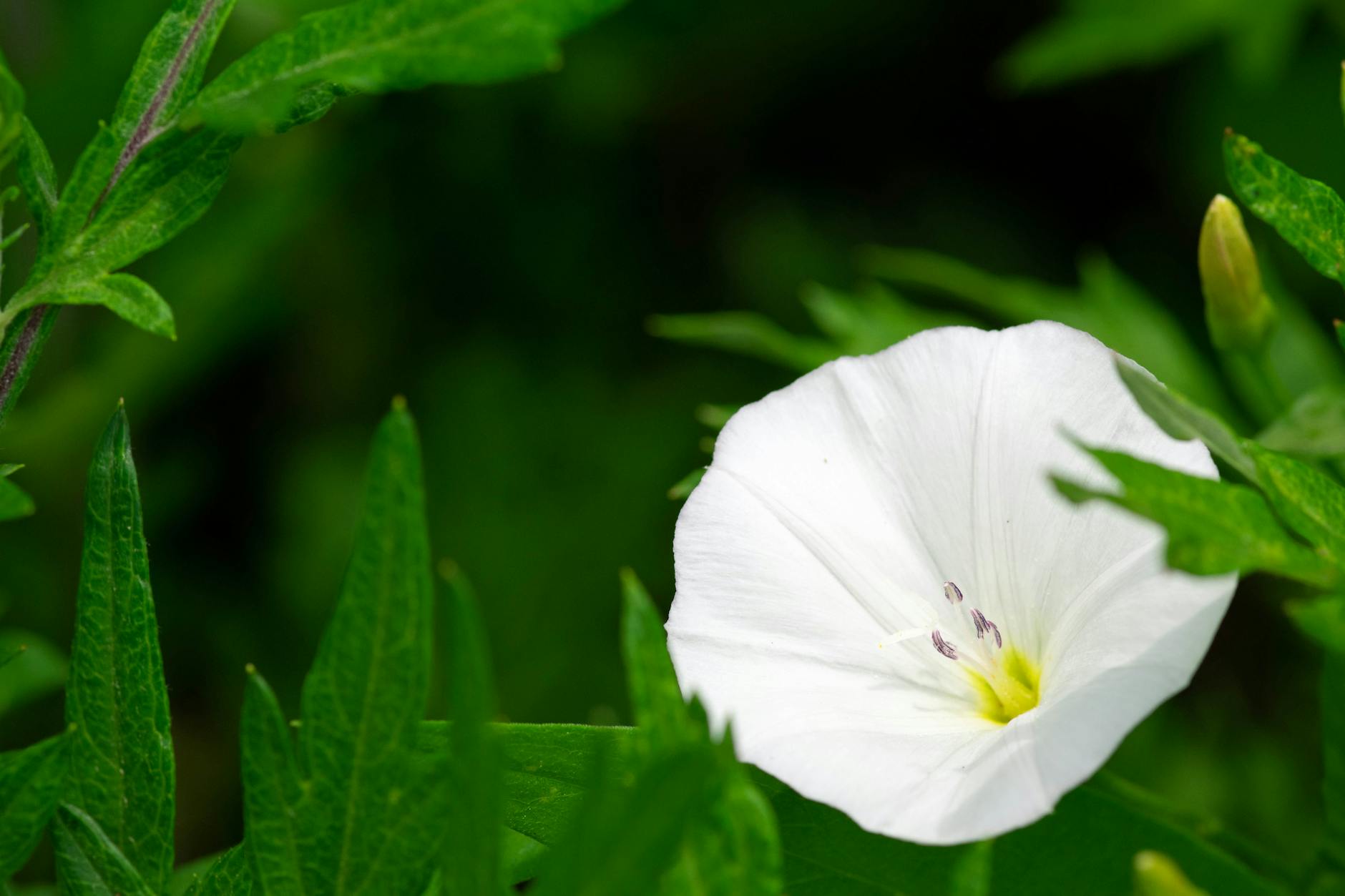
Flowers with double petals may not be accessible to pollinators, so opting for single-petal flower forms is typically a better choice when planning a pollinator garden.
By incorporating a variety of flower shapes, you can create a diverse and inviting pollinator garden, ensuring a vibrant and dynamic ecosystem.
Select colors to attract bees and other pollinators
Similarly to flower shape, color can be used to attract a variety of pollinators to your garden. A general rule of thumb is that bright colors tend to draw in pollinating insects and birds.
Purple, violet, and blue are the best colors to attract bees, according to The University of Illinois Extension.
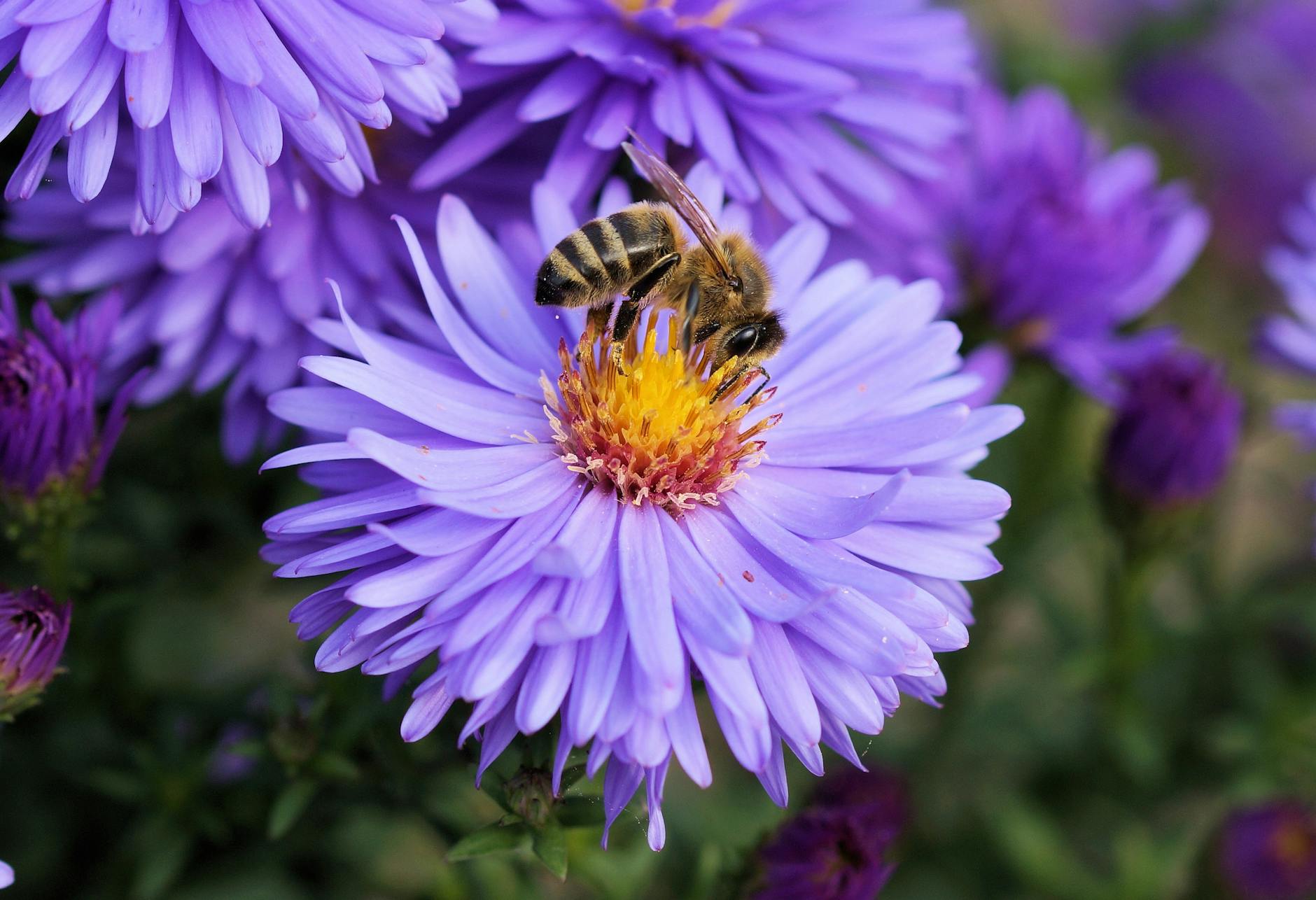
Vivid and bright colors such as orange, red, yellow, pink, and purple attract butterflies.
Hummingbirds are perceptive to a great range of colors and can see more combinations of colors, but they are especially drawn to red and pink flowers.
Plant native to attract pollinators
Planting native plants is crucial for pollinator health because these plants have evolved alongside local pollinators, forming mutually beneficial relationships. Native plants provide the specific nectar, pollen, and habitat needs that local pollinators rely on, making them more effective at supporting these species than non-native plants.
Additionally, native plants are well-adapted to the local climate and soil conditions, requiring less water and fewer chemicals, which further benefits pollinators by reducing exposure to harmful pesticides and creating a healthier environment. In contrast, invasive species, whether introduced accidentally or on purpose, can disrupt these beneficial relationships.
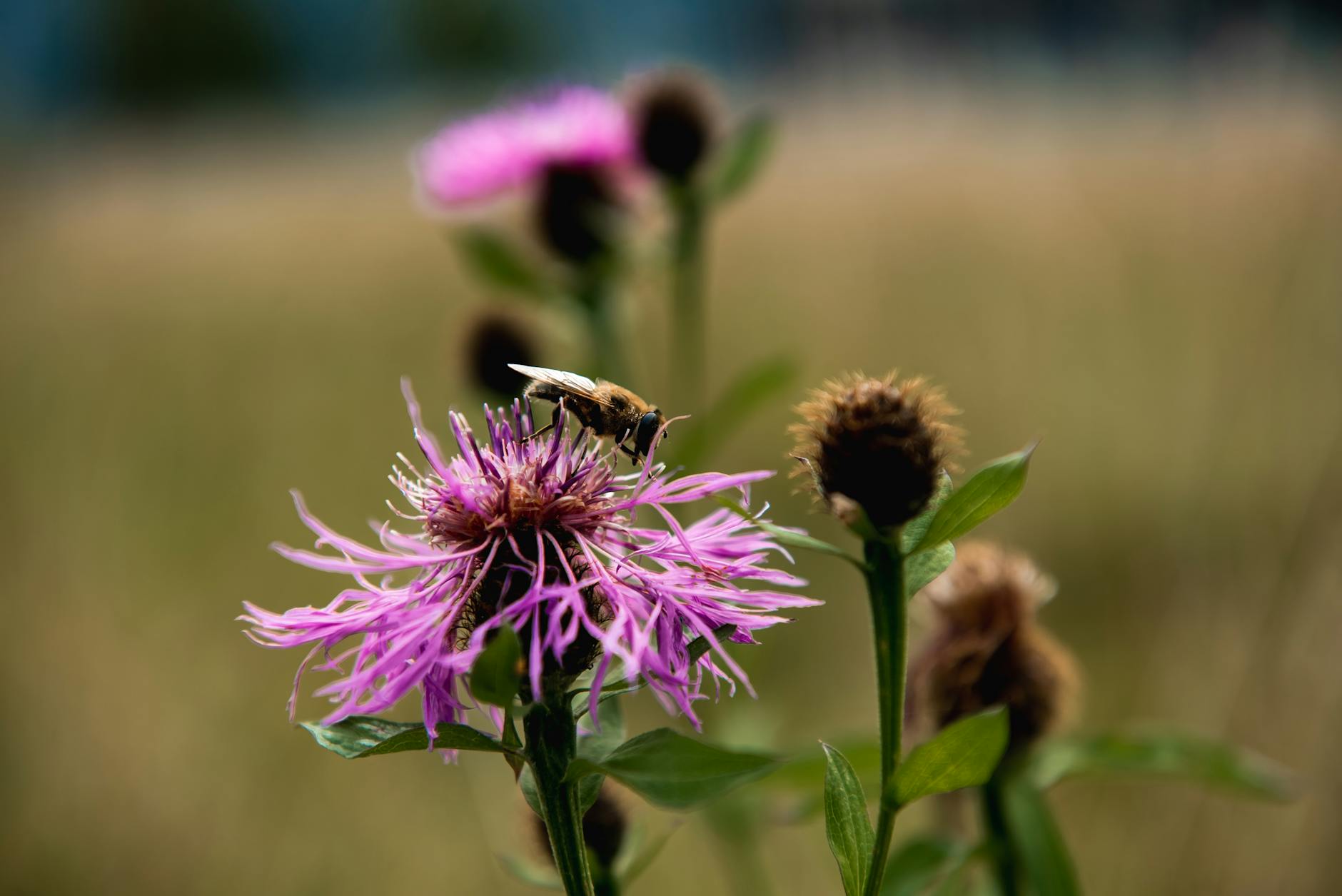
Invasive plants outcompete native species, reducing habitats for native wildlife and disrupting the food chain. For instance, when native butterflies lay eggs on invasive garlic mustard, they die or the caterpillars fail to develop properly, according to Pennsylvania’s DCNR.
Moreover, native plants help maintain biodiversity by supporting a wide range of pollinators, including bees, butterflies, birds, and other beneficial insects. They also prevent ecological disruptions caused by invasive species, such as changes in water and nutrient availability.
Local native plant sales and resources from agricultural extension services or university horticulture departments can help you find and choose native plants for your garden, ensuring you contribute positively to your local ecosystem.
Doing less is more: Let your garden go a little wild
This step is somewhat of a win-win if you appreciate sitting back and being less hands-on in your garden and yard. Letting weeds grow and leaving flower heads on during the fall and winter can go a long way to help bees and birds thrive.
Experts recommend avoiding the use of insecticides and limiting the use of herbicides. A healthy and abundant garden ecosystem, nourished through organic gardening practices, can provide the balance needed to combat harmful insects.
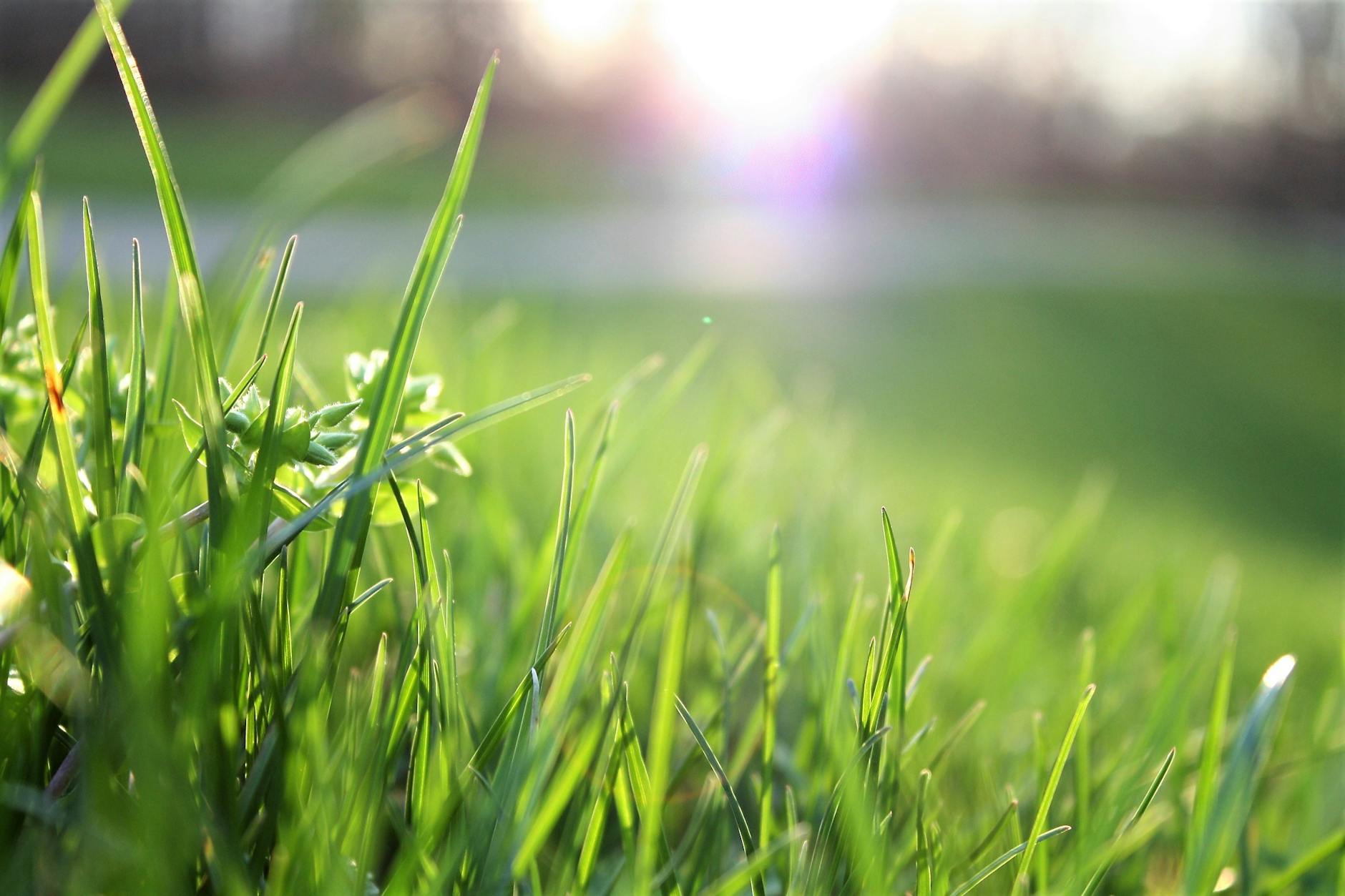
According to the United States Department of Agriculture, cutting your grass every two weeks has been proven to significantly grow bee abundance. Mowing your lawn less often allows flowers to bloom and bees to flourish due to important sources of nectar and pollen.
Movements like “No Mow May” have risen in popularity in recent years to raise awareness around the benefits for pollinators like bees.
If you have the space and desire, letting your lawn grow freely in certain areas or cultivating a wildflower meadow can increase pollinator diversity.
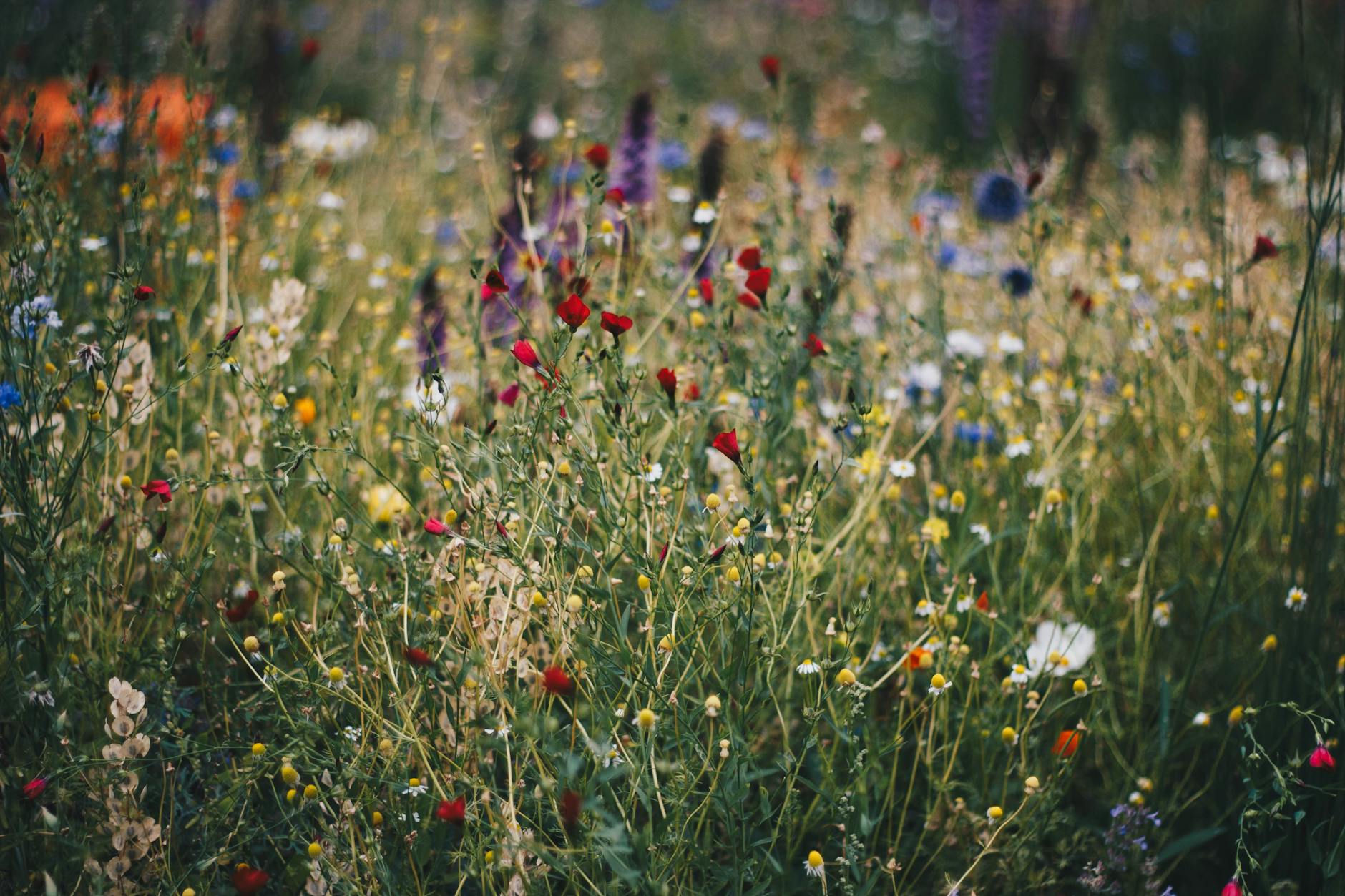
One exception to this rule of “lazy gardening” to help pollinators is frequent deadheading, or removal of spent flowers, which encourages more flowering.
When in doubt, plant herbs
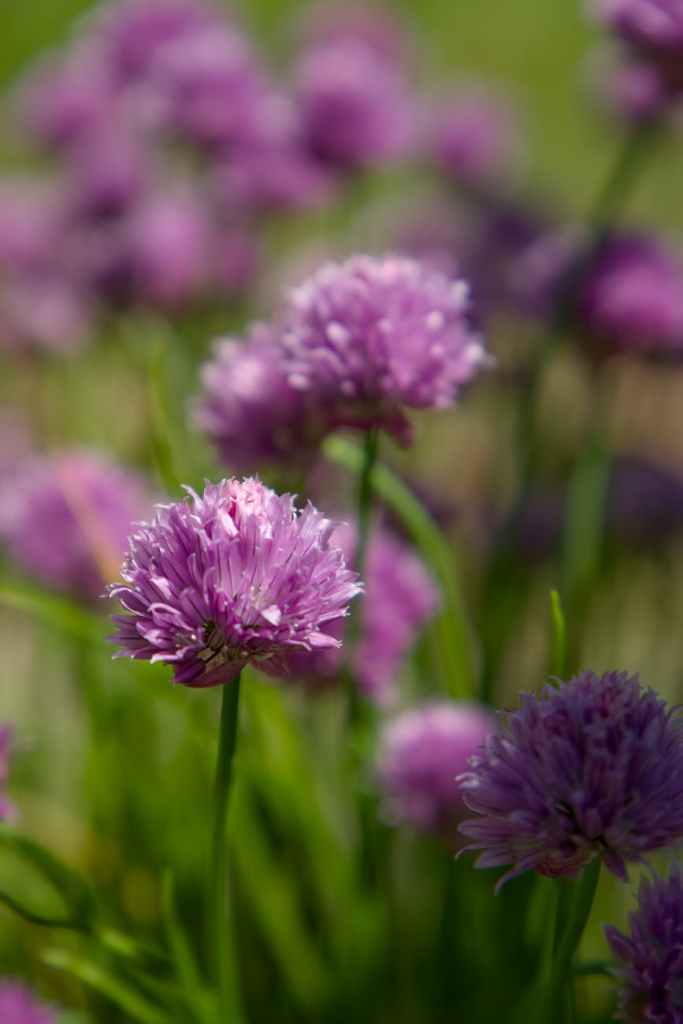
Flowering herbs, including chamomile, rosemary, lavender, oregano, chives, and thyme, attract many different pollinators.
Besides benefitting pollinators like bees, herbs can be used in cooking and add fragrance to gardens. Additionally, many herbs will come back year after year in the garden.
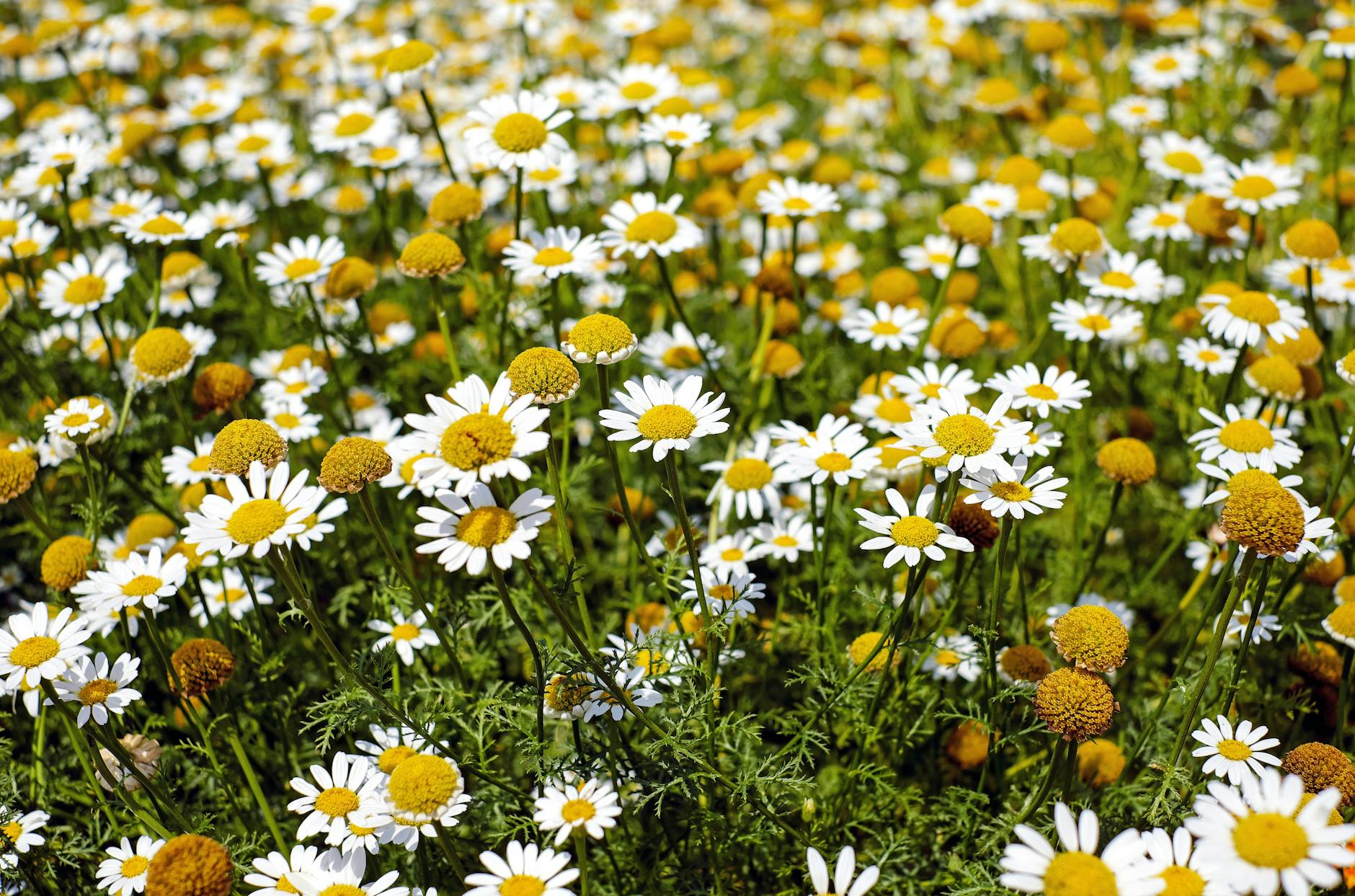
Some late-flowering herbs like rosemary will continue blooming until frosty conditions, extending the season for pollinators in your garden.
Increase benefits by prolonging flowering
To maximize the benefits of your pollinator garden, consider extending the blooming period throughout the year. This ensures a consistent food source for pollinators, supporting their needs from early spring to late fall and even into winter.
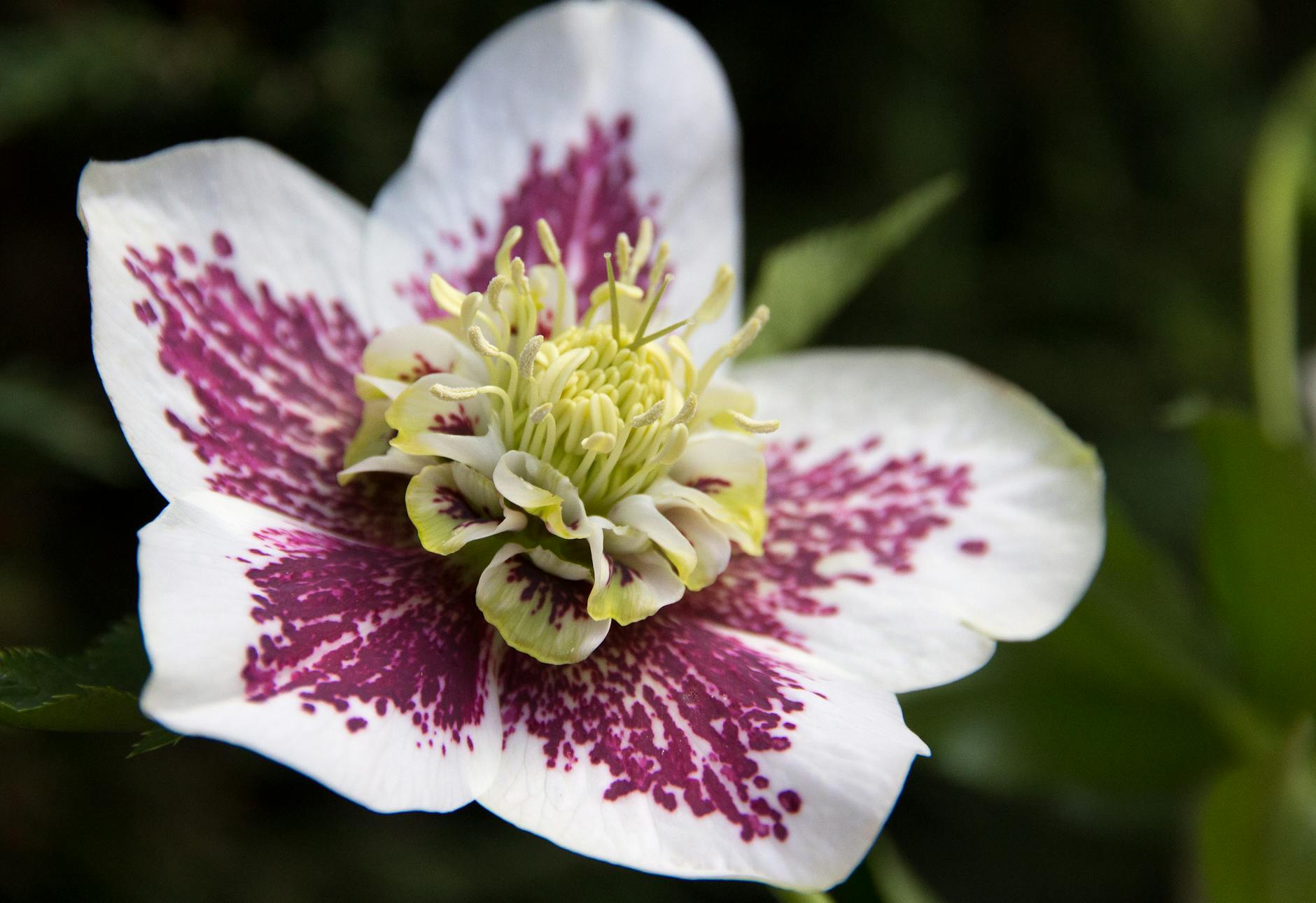
Early-season flowers like hellebores and hyacinths provide essential nectar and pollen as pollinators emerge from hibernation. These early bloomers are a lifeline for bees and other insects starting their foraging season.
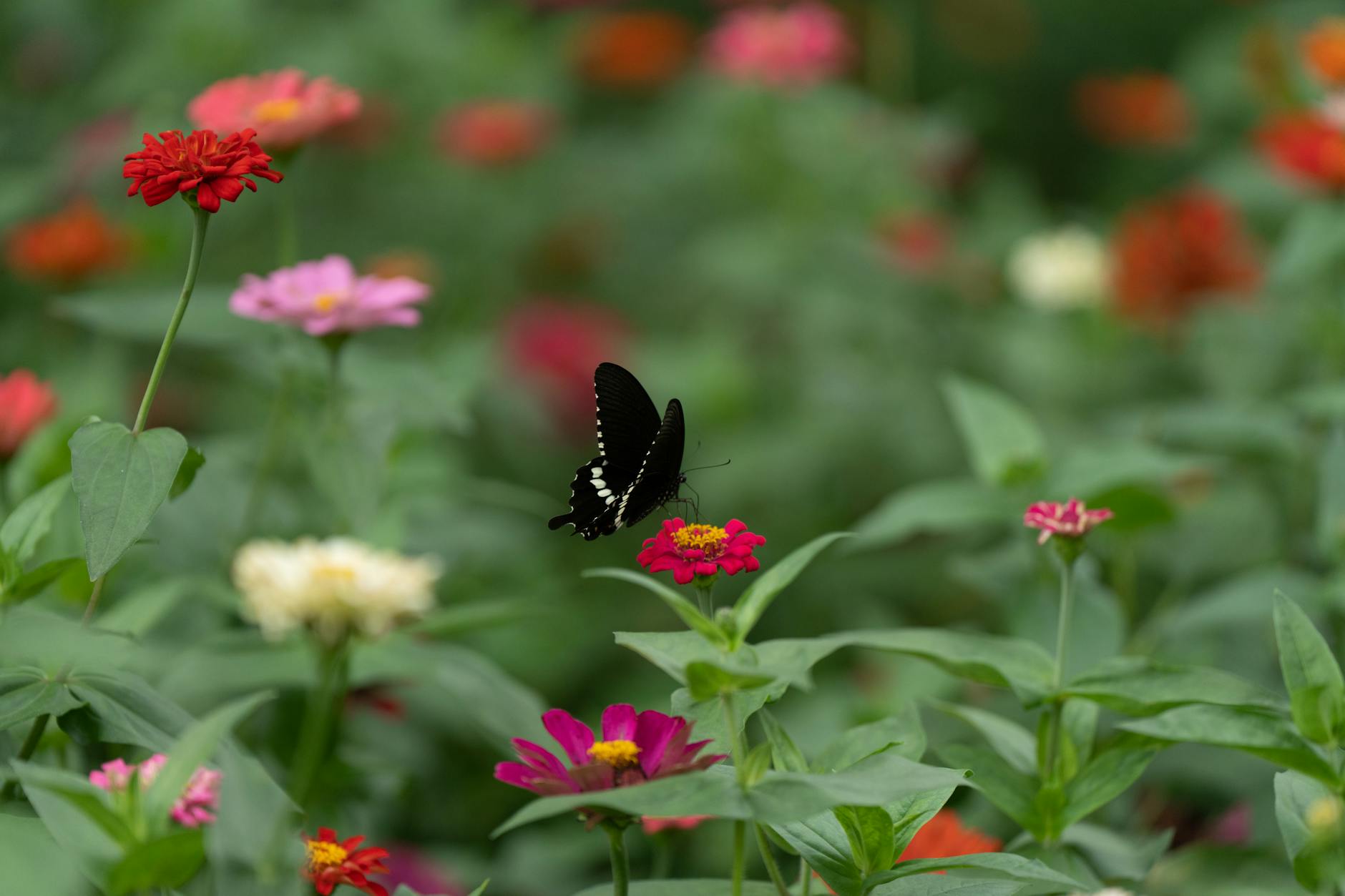
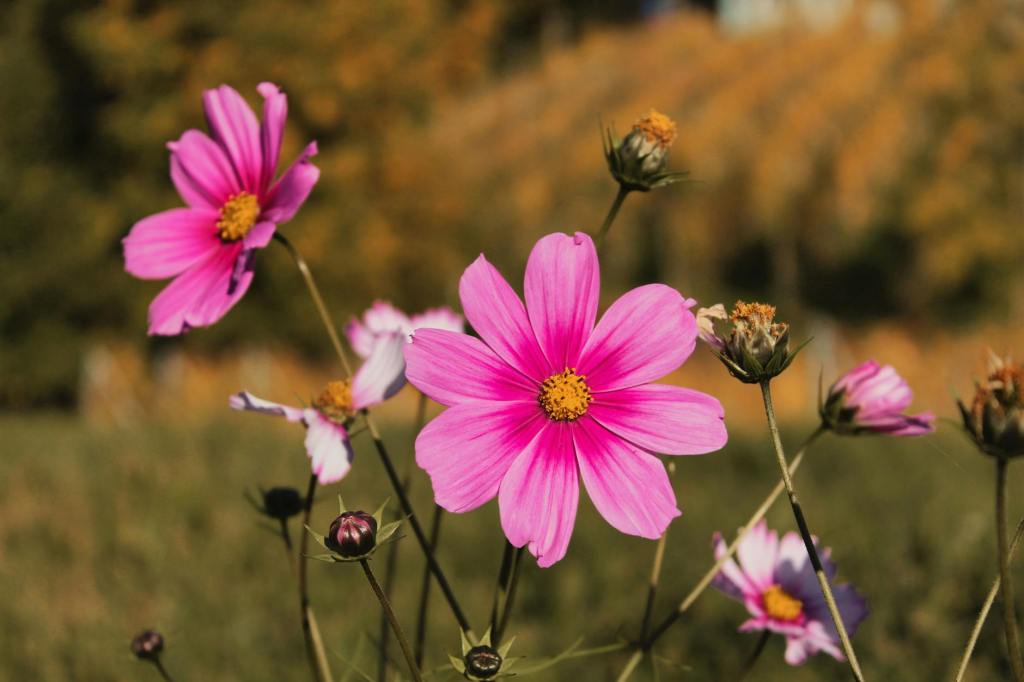
For continuous support, plant late-flowering annuals such as zinnias and cosmos and perennials like sedums. These plants not only keep your garden vibrant into fall but also offer sustenance to insects and birds preparing for winter.
Winter blooms can brighten cold and dreary winter days for gardeners and ensure that pollinators like birds have access to resources year-round. Plants like witch hazel and winter-flowering heaths and heathers produce flowers even in the coldest months.
Pollinator garden inspiration
Through designing gardens with varying flower shapes, bright colors, and native plants, gardeners can play a significant role in preserving local ecosystems and promoting the health and diversity of pollinator populations.
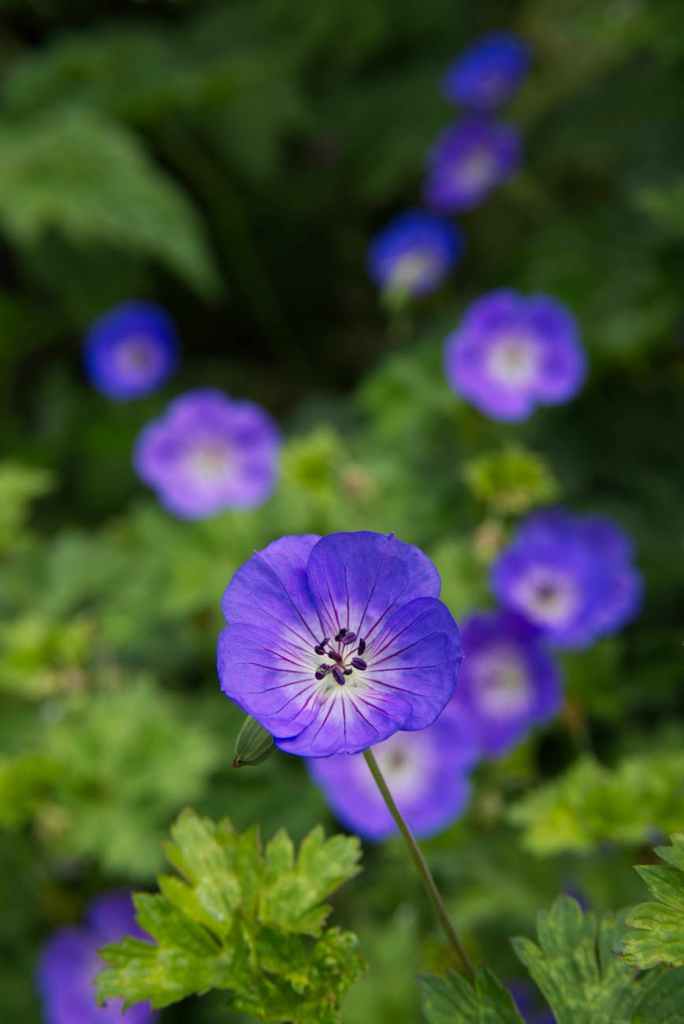
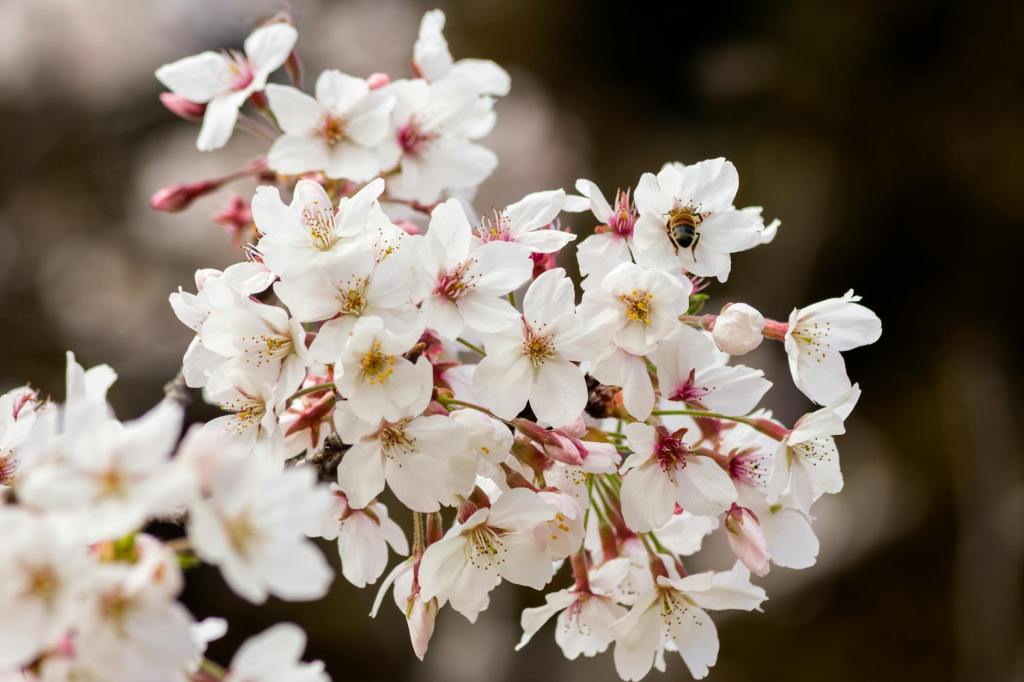
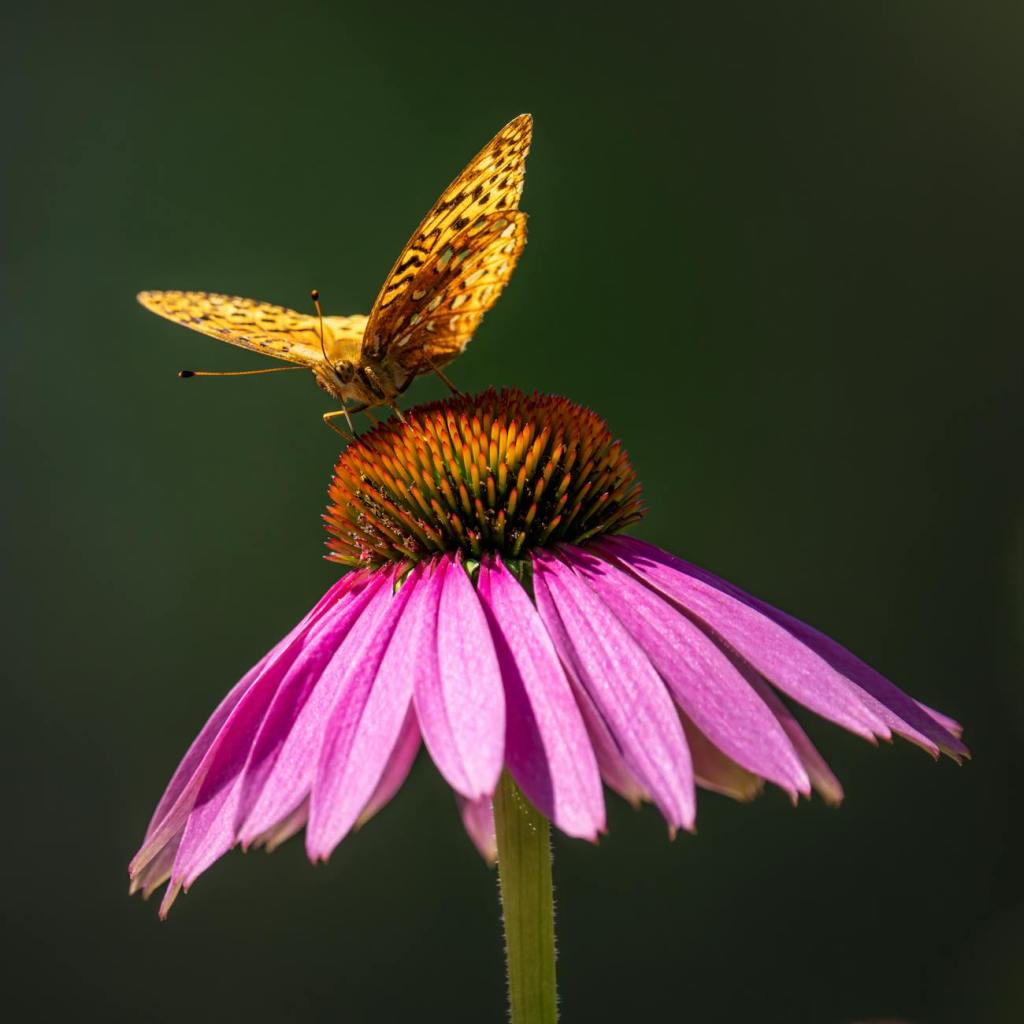
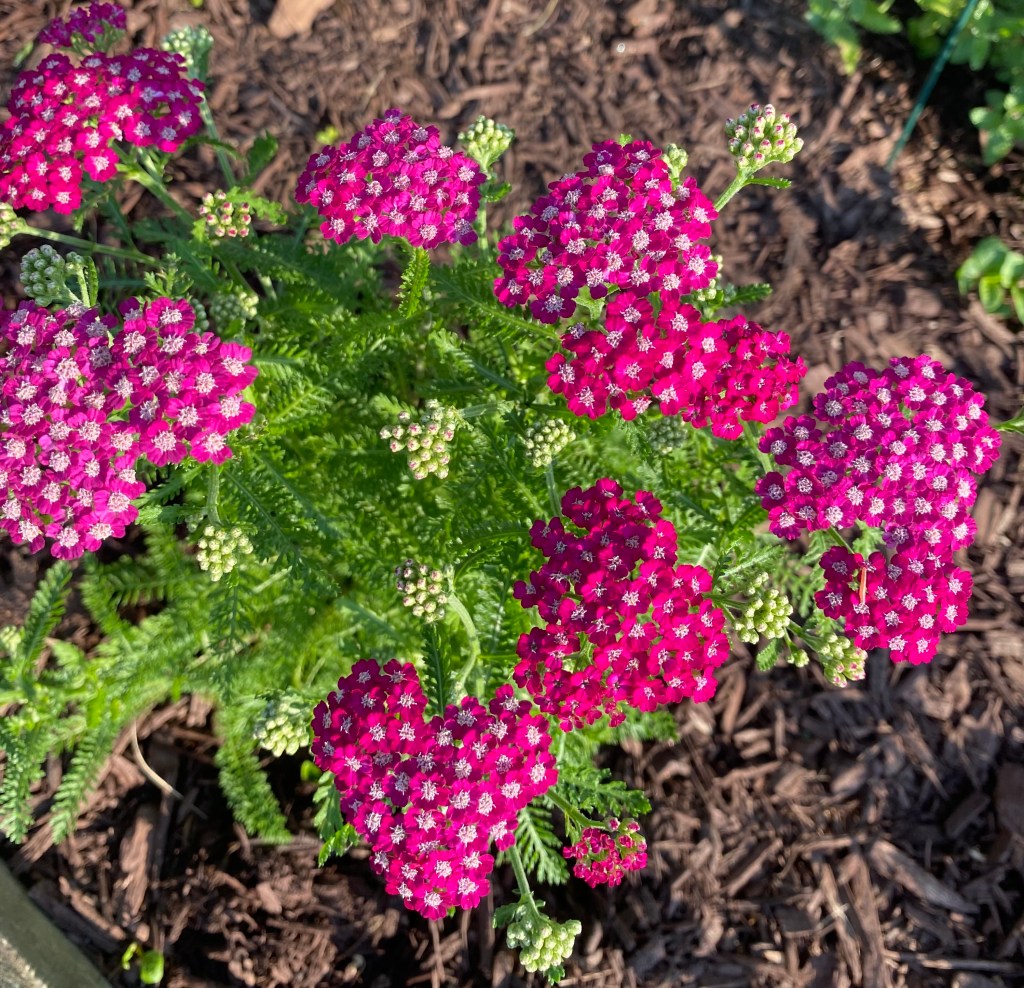
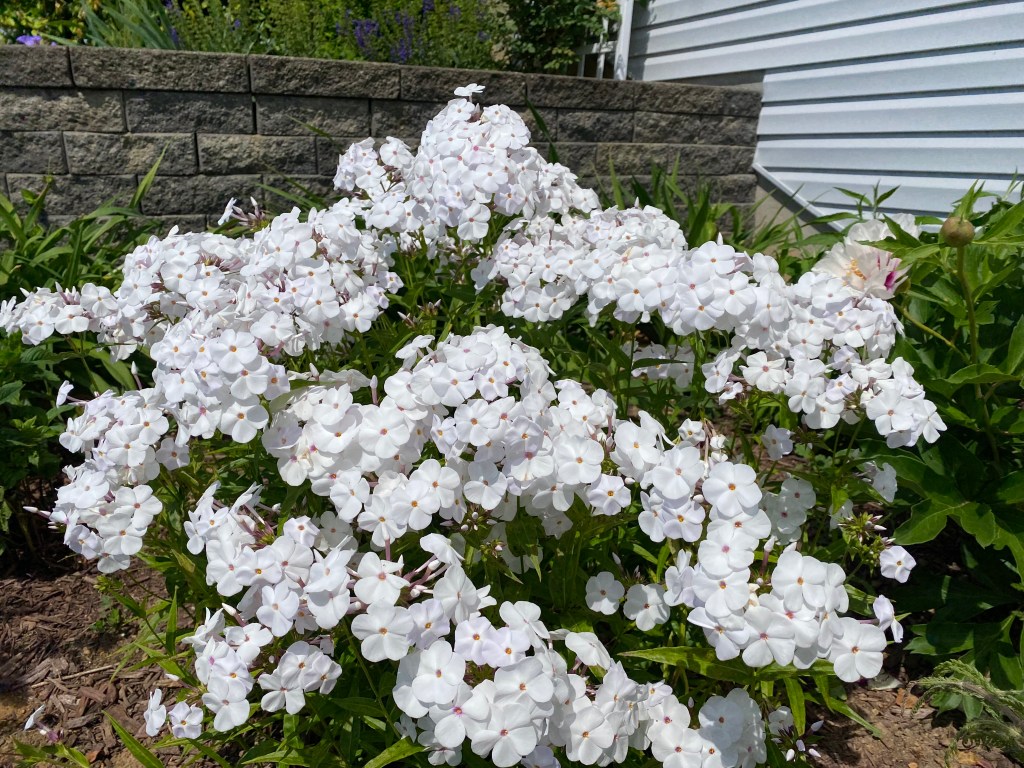
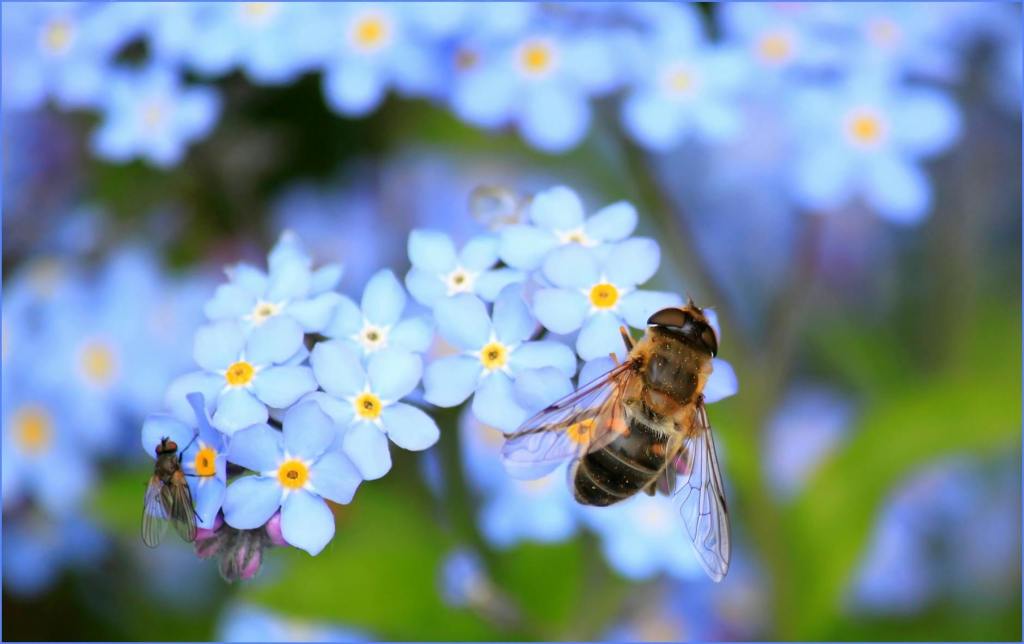
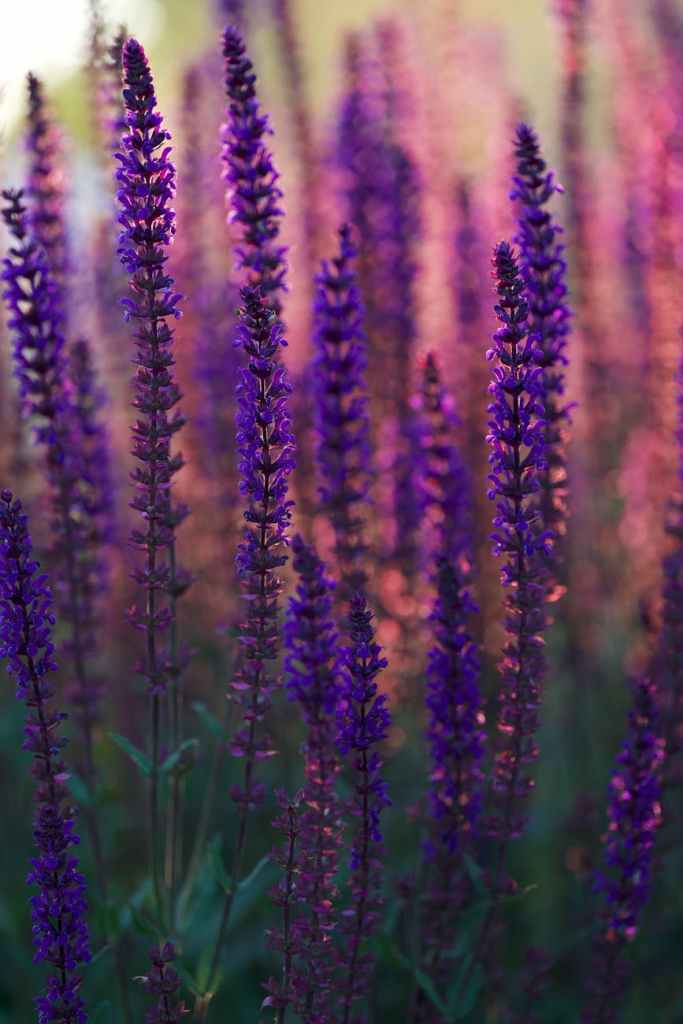
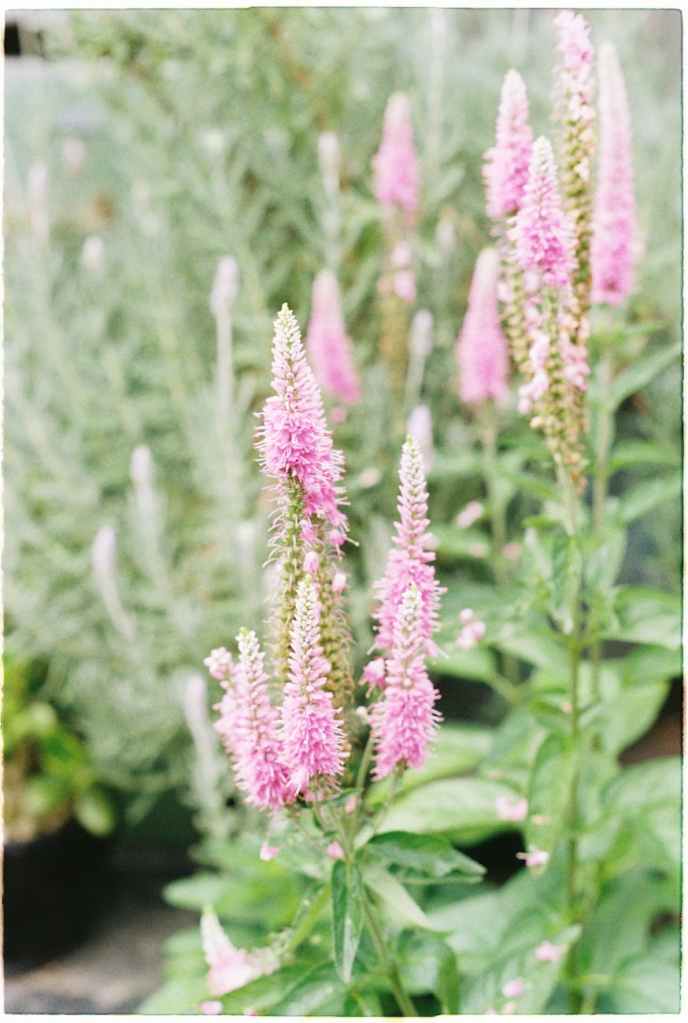
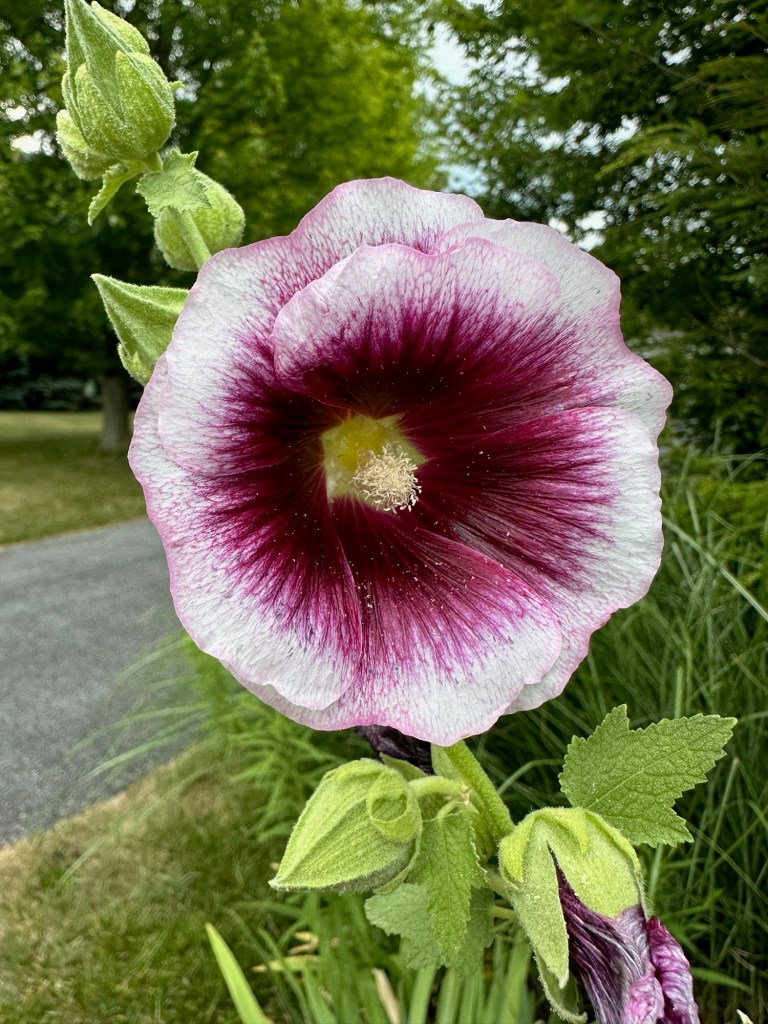
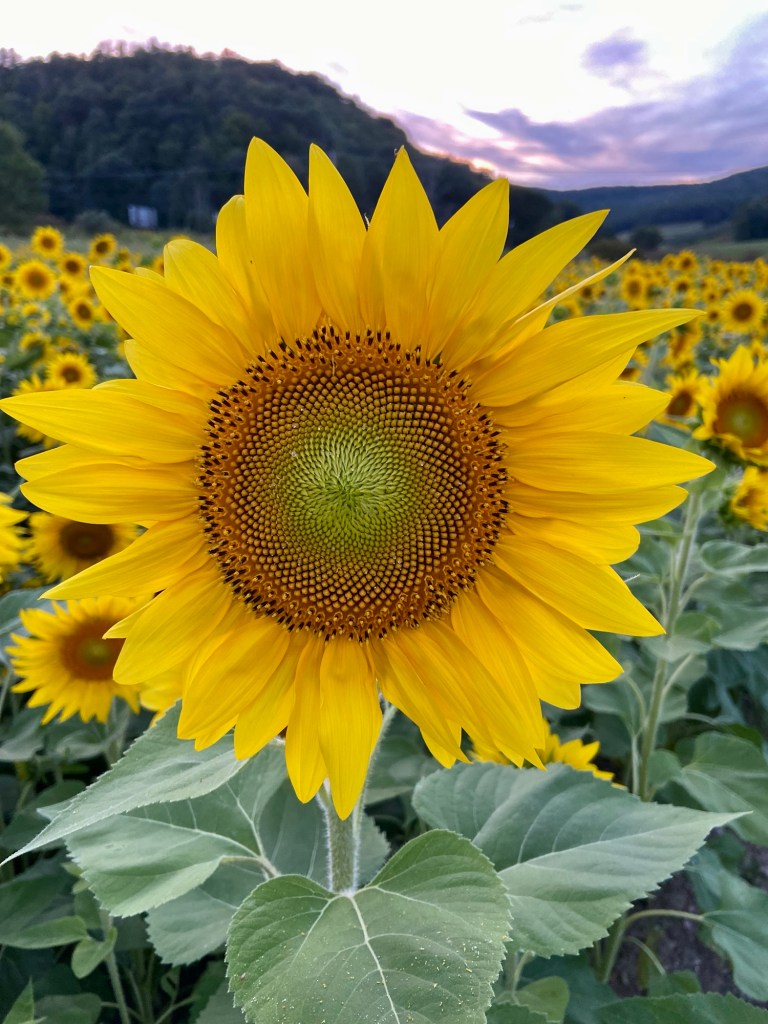
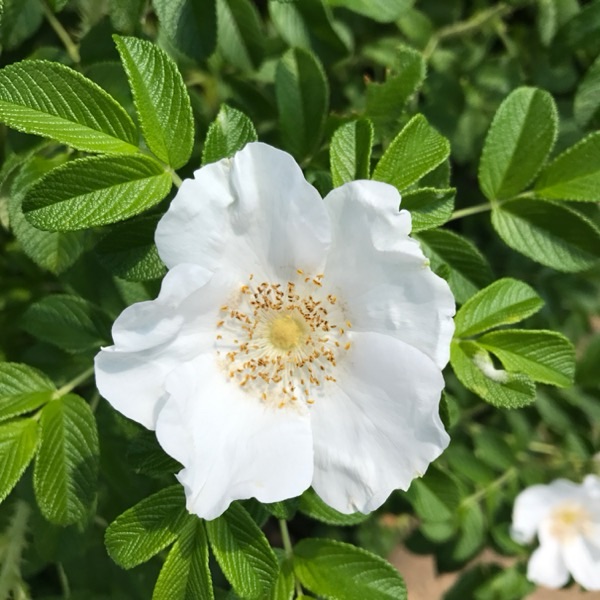
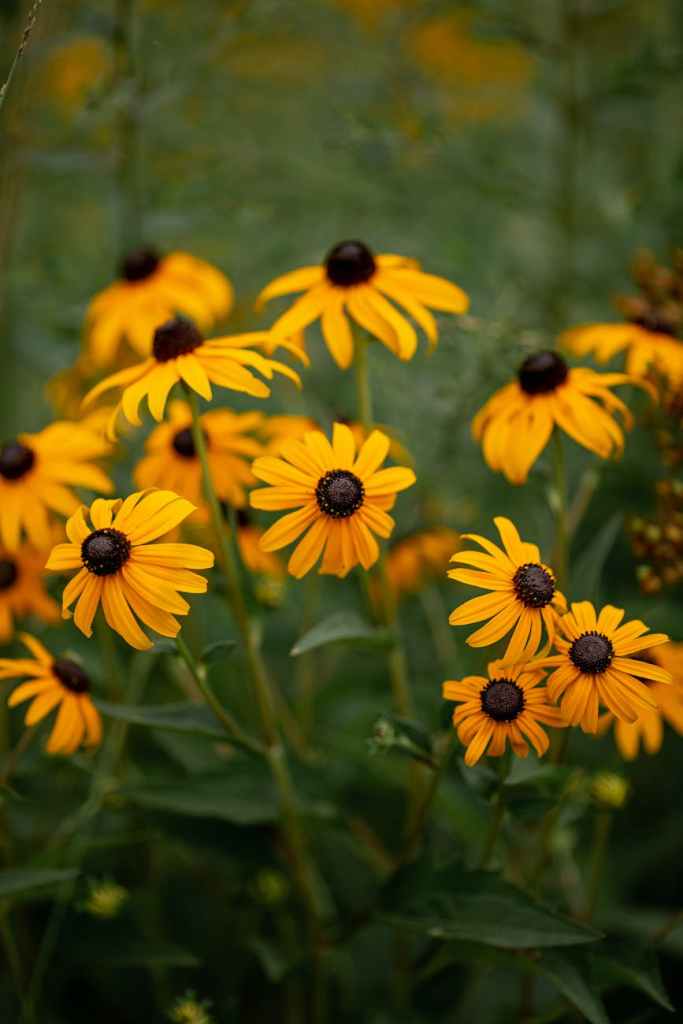
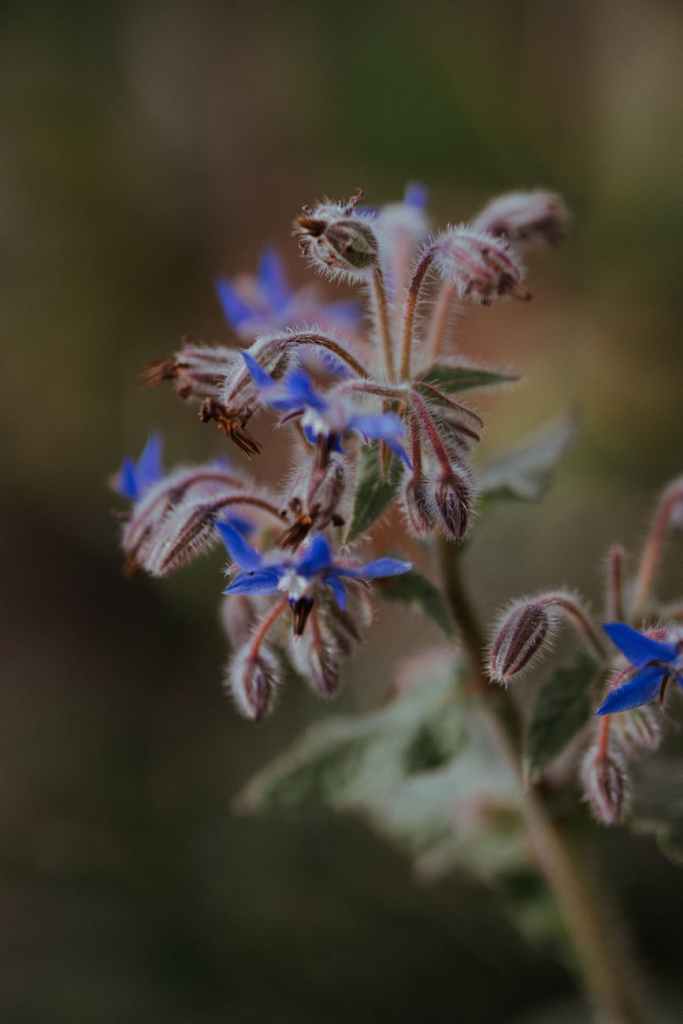
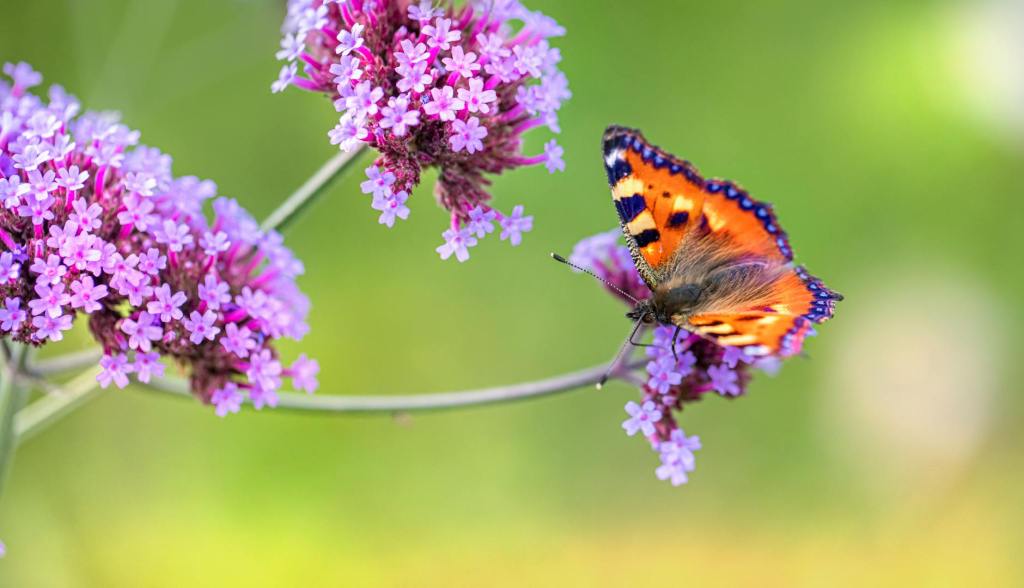
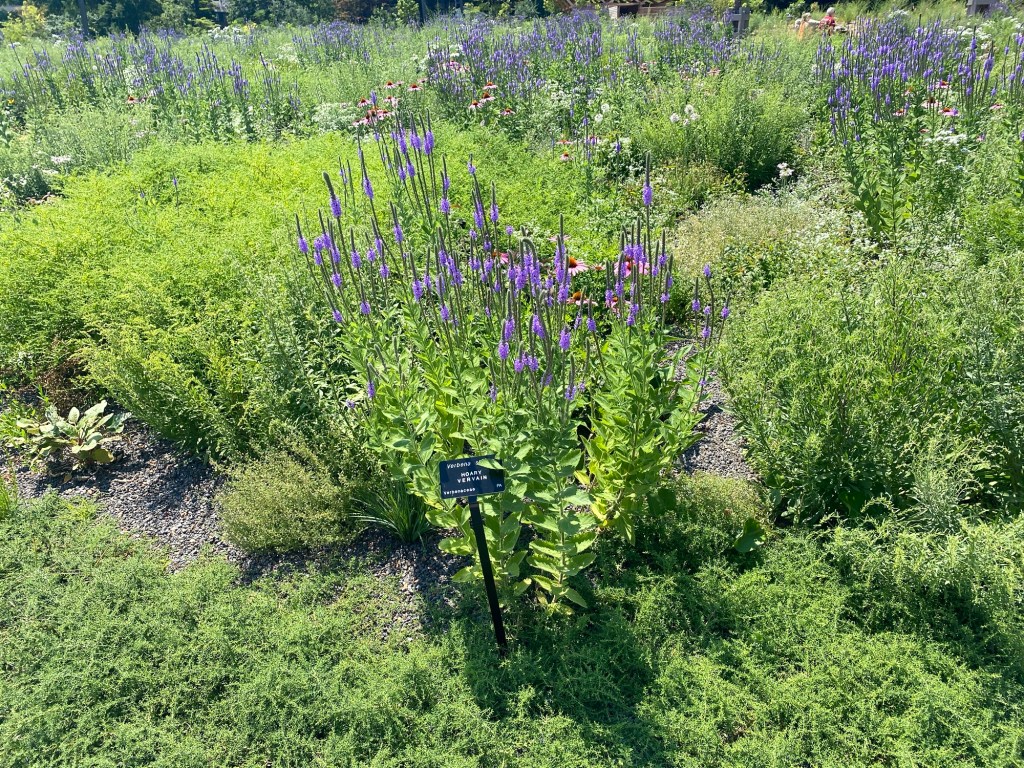
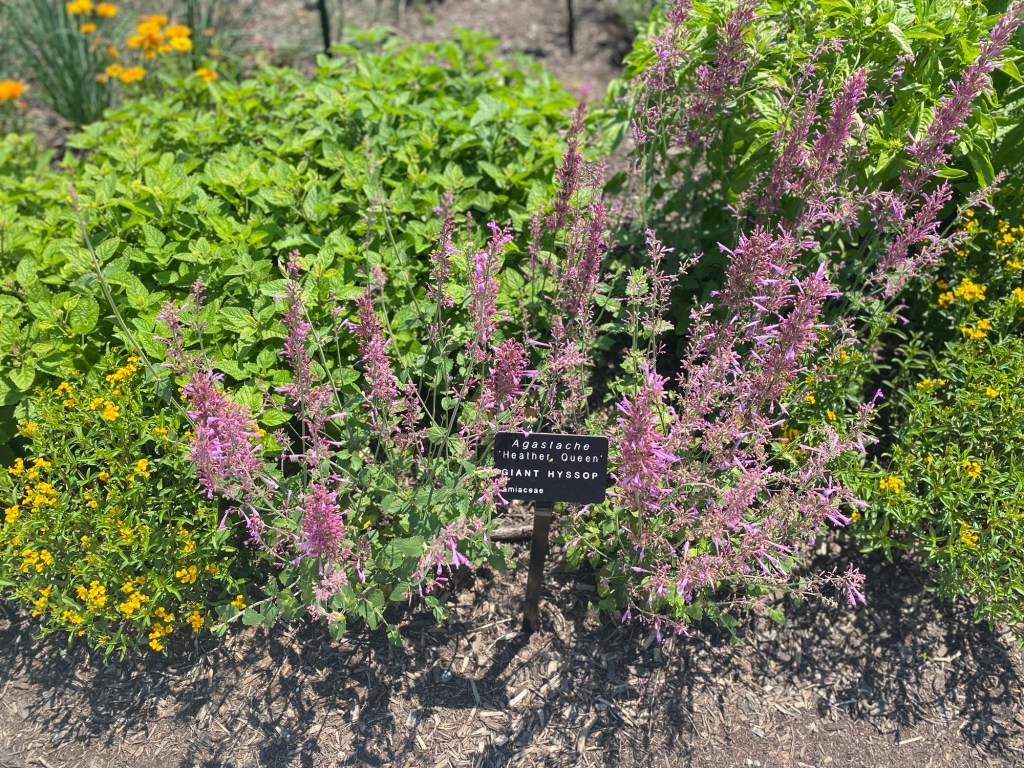
Touring arboretums, local pollinator gardens, and botanical gardens, and especially visiting at different times of the year, can offer many ideas for plants and how to combine them for a beautiful and effective pollinator garden. The photo gallery below has more inspiration for pollinator-friendly planting options.



If I had to choose the hardest-working plant in my pollinator garden, it would likely have to be catmint. Its long-lasting blooms attract bees for months, and the plant is constantly brimming with pollinator activity.
Please let me know your favorite plants for encouraging pollinators and wildlife in your gardens. I would love to learn your tips and tricks in the comment section below.
 Meghan Mussoline